Ask most people in music what AI video is for and you get the same picture: someone types a prompt, and a music video comes out the other end. That's the demo that travels. It's also the least useful way for a label, an agency or a production company to think about it.
The finished video is the smallest part of what changes. The bigger shifts happen around it: when you get to see an idea, how much one shoot can give you, what happens to the footage sitting on a drive, and how many songs get a picture at all. None of that replaces the director, the artist or the crew. It changes where their time and your budget go.
The easiest way to see it is to follow one release from the first brief to the back catalog. The single below is made up, but every moment in it is real, and the clips are from our own work.
Ten weeks out: the brief nobody can picture
The label wants a video for the lead single. Three directors send treatments: a PDF each, a paragraph of mood, and a grid of reference stills pulled from other people's videos. Everyone in the room nods at the same document and imagines a different film. The artist hates the one the label likes, and nobody finds out until the edit.
What changes: the treatment stops being a description and becomes a preview. From the artist's own photo and the actual song, you build three directions as frames: the same person, in three worlds, in the real palette and light. The conversation moves from "imagine this" to "this one, not that one", in the first meeting instead of the third.
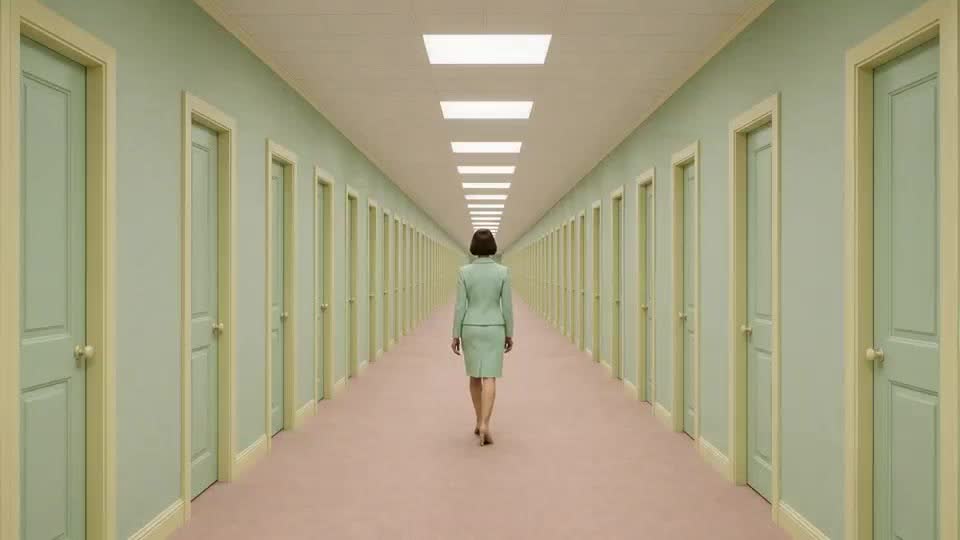
Why it matters: the most expensive misunderstanding in production is the one you discover on set. A frame everyone can point at settles it ten weeks earlier, for almost nothing.
Eight weeks out: watching the video before it exists
Film has used previs for decades: a rough version of the film made before the shoot, so the expensive decisions get made while they're still cheap. Music videos mostly skipped it, because a storyboard artist and an animator cost too much for a three-minute promo.
What changes: the label, the director and the artist can watch a rough cut of the whole song before anyone books a crew. Scenes are generated from the locations, wardrobe and characters in the treatment, pinned to start and end frames where a move matters, and cut to the track. It isn't the video. It's the argument about the video, settled in a screening room instead of on set. (How a music video previs works.)
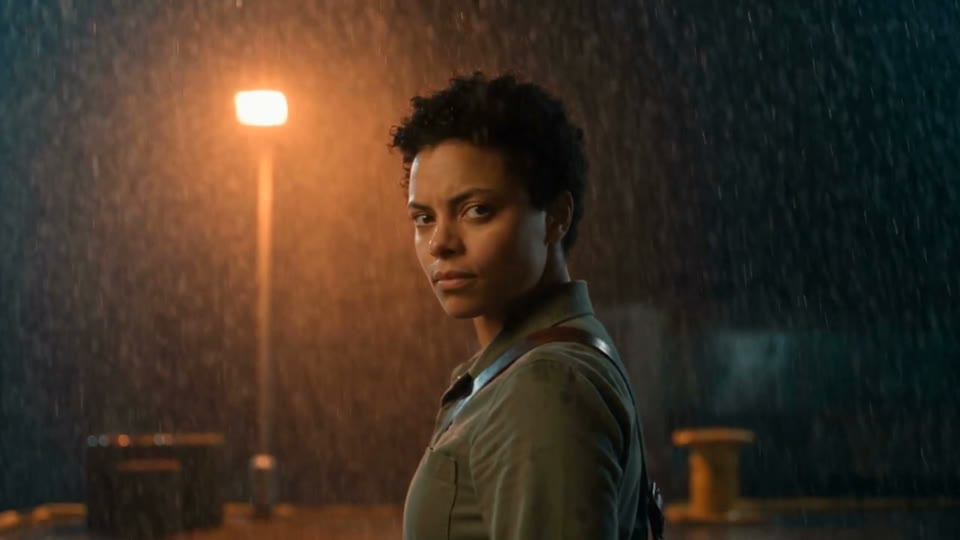
Why it matters: published ranges put a production-company music video at $10,000–$50,000, and label videos well above that (our cost breakdown). Most of that money is people's time on the day. Every decision moved before the shoot is one the crew doesn't wait on.
Shoot day: the one afternoon you get with the artist
The artist's time is the scarcest thing in any campaign. You get one afternoon, a photographer and a few hundred frames, and those frames have to carry the single, the album and the tour.
What changes: the shoot stops being the content and becomes the source. Those photos become a reference set, and the reference set gives you angles nobody shot, locations nobody could afford to fly to, and the same look moving instead of still. One image can become sixteen camera angles. One set-up can become three environments.

Why it matters: you stop rationing the artist. The photographer's afternoon pays for months of material, and every piece of it still looks like the person, because it started from them. Use your own photos or images you have permission to use, always.
The edit: when the footage doesn't fit the song
Every editor knows these problems. The shot that's two seconds short of the downbeat. The bridge with nothing to cut to. The second location that rained out.
What changes: a clip can be extended into one continuous shot of up to 40 seconds instead of stitched. Footage you shot can be restyled toward the treatment, or turned into the version the weather didn't allow. The missing bridge can be filled with the world the video already built.

One rule keeps this honest: AI can fill gaps in the world you're showing, never in the evidence. A dreamlike bridge is fine. A crowd that wasn't there, a sold-out show that didn't happen, or a performance the artist never gave is not.
Release week: thirty assets, one look
A single doesn't need one video any more. It needs a Spotify Canvas (3–8 seconds, vertical), a YouTube visualizer, a lyric video, vertical cutdowns for three platforms, and ads in three aspect ratios. Usually those land on different freelancers and templates, and by Friday the campaign looks like five campaigns. Our release checklist lists the full set.
What changes: the references from week ten drive every format, so the Canvas, the visualizer and the ad share one world. Lyric captions are timed to the audio for you, so a lyric video is a styling decision, not a day of keyframing.
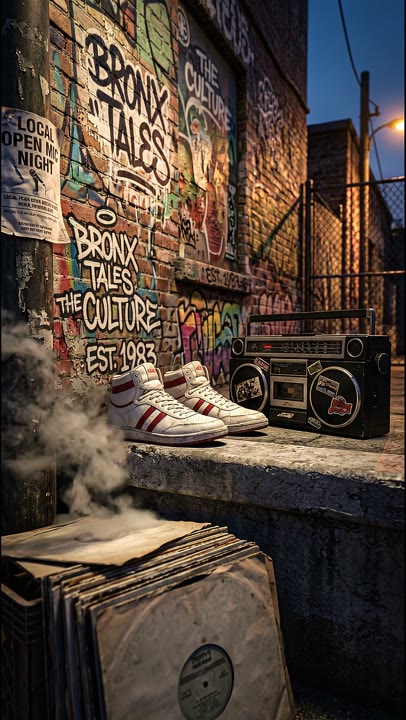
Why it matters: fans meet the song in a dozen places in its first week. When every one of them looks like the same release, the campaign adds up instead of spreading thin.
Week two: the song takes off somewhere you didn't plan
A verse catches on a platform you'd written off, or a market you didn't budget for starts streaming the record. The window to respond is days. The production schedule is weeks.
What changes: new cuts, new ad variants and new formats come from the material and the look you already have, so you can answer the moment while it's still happening, and test a few versions instead of betting on one.
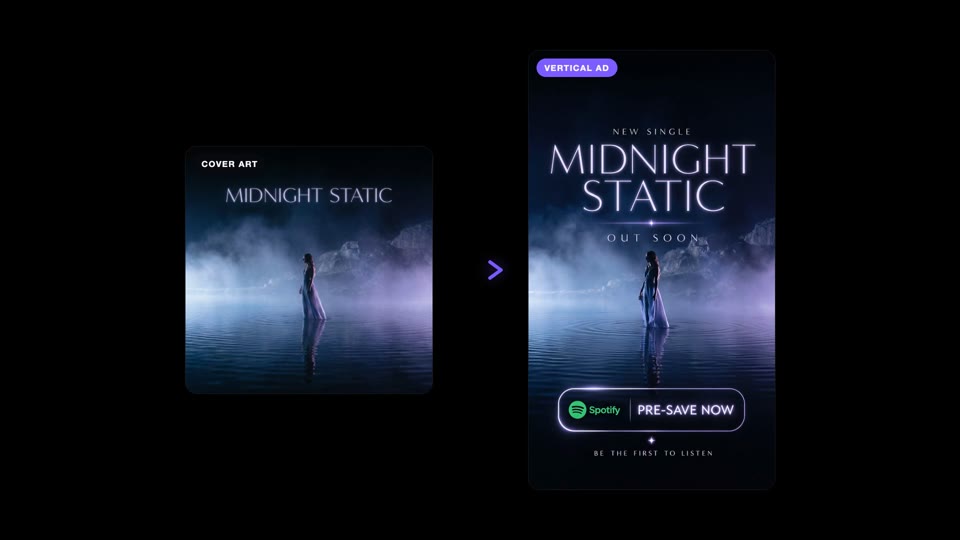
Why it matters: marketing can follow the audience instead of the plan.
The artist who doesn't want to be on camera
Plenty of records have no face to put on screen: producers, anonymous projects, songwriters, artists who'd rather not perform for a lens. The usual answer is a stock clip or a lyric slide, and both look like the label didn't try.
What changes: you can ask for characters built for the song itself, choose one, and keep that character consistent across the video, the Canvas and the next single. When they need to sing, they can lip-sync to the real vocal. It's an original character, never a lookalike of a real person.
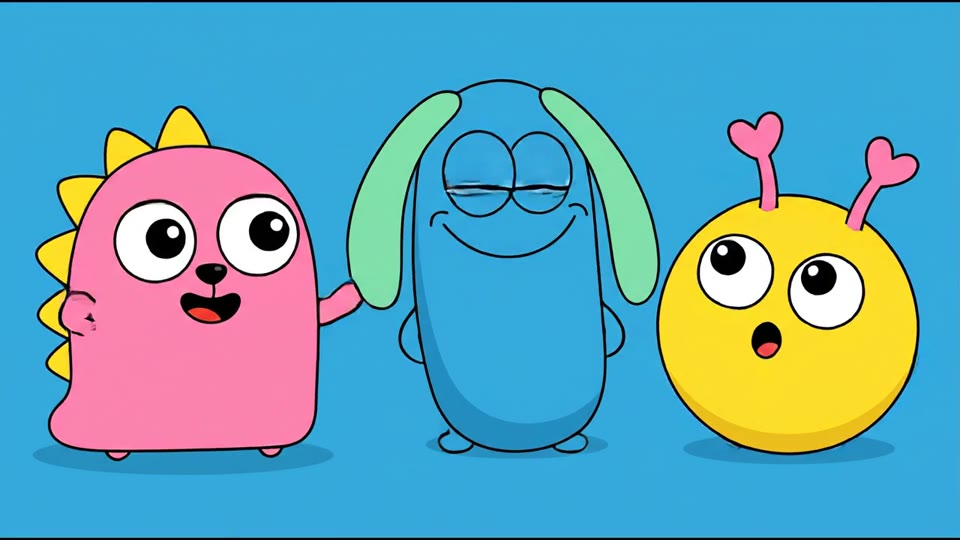
Why it matters: a record without a face can still have a recognizable visual identity, and one that belongs to the project rather than to a stock library.
Six months later: the footage on the drive
Every team has the drive: the tour, the studio sessions, the behind-the-scenes, the phone clips. Hundreds of hours that nobody has time to watch, so nobody uses them.
What changes: finding the moments stops being a week of scrubbing. Our Cuts tool, in beta, pulls the best moments out of long footage. Those moments can take timed lyrics, the album's look and the shapes each platform wants.
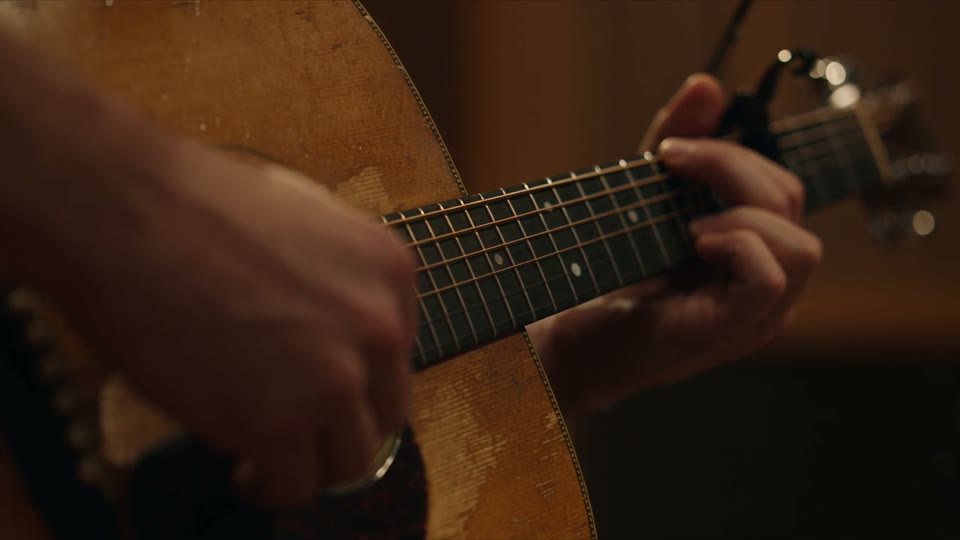
Why it matters: the footage you already own turns out to be one of the cheapest sources of new content you have.
A year later: the catalog that never had a picture
Most recordings in any catalog have never had a visual beyond the cover. That isn't a judgment on the songs; there was never a budget for them. (Why most music never gets seen is the longer version.)
What changes: a process that worked for one song can be saved and run again for the next fifty, each with its own direction, from what the catalog already holds: the artwork, the lyrics, the recordings, the archive photos.
Why it matters: a catalog track with a lyric video or a visualizer has somewhere to be found that it didn't have before. It doesn't guarantee streams, but a song nobody can see is a song nobody shares.
What AI shouldn't do in this story
The same tools that make all of this possible make some of it tempting. Four lines worth drawing before anyone opens a tool:
- Don't invent evidence. No generated crowds, press, awards or performances presented as real.
- Don't borrow a face. Real people appear only from your own photos or images you have permission to use.
- Don't replace the performance when the performance is the point. If the record lives on the artist's presence, shoot it. Use AI for everything around it.
- Don't hand over the taste. The tools make options. Choosing between them is the job.
What it changes for the people doing the work
- Directors get to show the idea instead of describing it, and spend the shoot day on the shots that only a camera can get.
- Producers spend the budget on the days that matter, with decisions already made.
- Marketing gets a release that looks like one release across every format and every week.
- A&R and artist teams see directions early enough to steer them.
- Agencies and production companies pitch with something people can watch, like a sizzle reel, not a deck they have to imagine.
None of these jobs gets smaller. The repetitive parts do, and the creative parts get more room.
Six questions to ask before your next release
- Which decision on this project would be most expensive to get wrong on set, and can we see it first?
- What can one afternoon with the artist give us beyond the photos themselves?
- Which formats in the release plan will drift away from the main look?
- What did we shoot last year that nobody has used?
- Which songs in the catalog have no picture at all?
- What would we try if trying cost almost nothing?
If you'd like to work through those with us on a real release, book a session, or start with three free directions for your own song in Visuals.
How this was made: researched and written by the Visuals.fm team with AI assistance, then fact-checked by people against the sources linked in the text.